
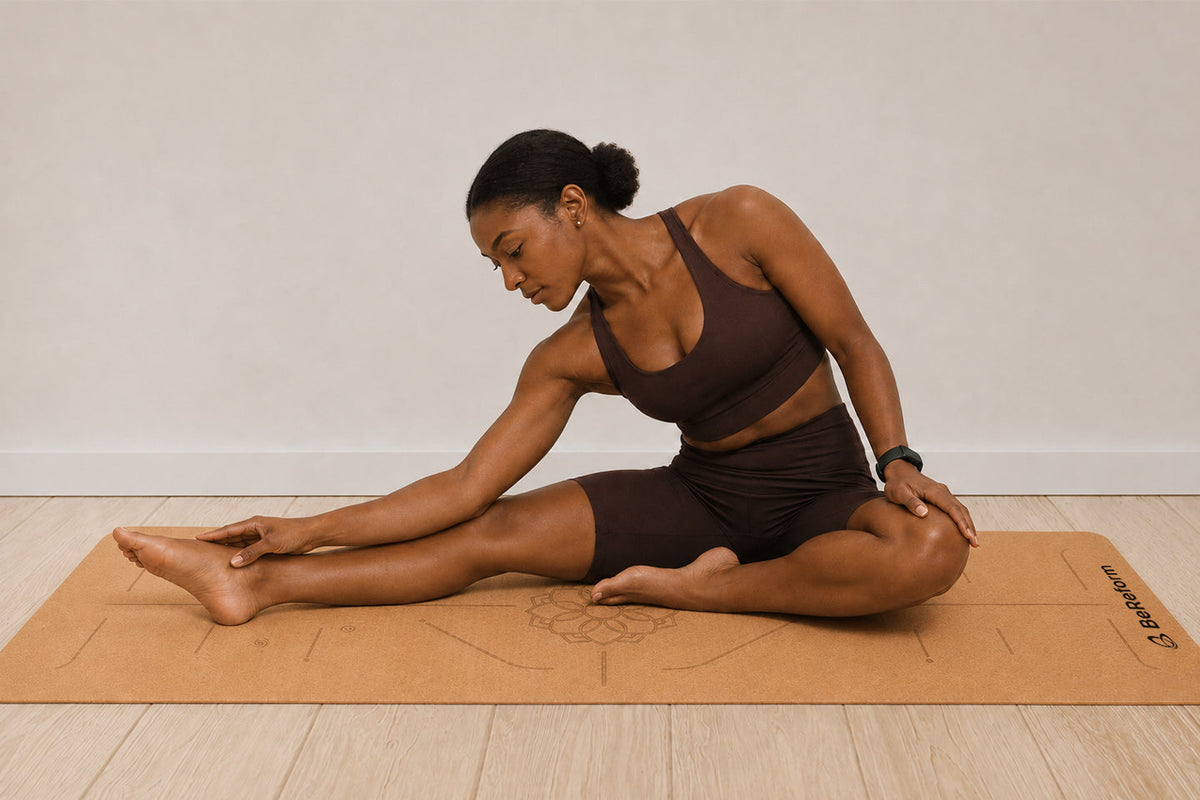
For hot yoga, intense Pilates, or any sweat-inducing workout, an eco friendly cork yoga mat stands out. These mats provide exceptional non-slip grip, even when wet, combined with sustainable materials and natural anti-microbial benefits for a cleaner, more stable practice.
Are cork yoga mats truly non-slip when wet with sweat?
Yes, cork yoga mats excel at providing superior non-slip grip, especially as they get wet with sweat. Cork's unique cellular structure contains microscopic suction cups that actually increase grip when damp, unlike synthetic materials that can become slick. This makes them an ideal choice for hot yoga, Bikram, or any vigorous practice where perspiration is a factor.
Many practitioners looking for a mat with good padding and anti-slip properties find that cork mats offer the stability they need without compromise. The natural texture provides a firm foundation, ensuring your hands and feet stay planted, preventing slips and potential injuries during challenging poses.
Bottom Line
Cork mats are inherently non-slip and become even grippier when wet, making them perfect for hot yoga and intense, sweaty workouts.
How does an eco friendly cork yoga mat compare to other materials for hot yoga grip?
When choosing a mat for hot yoga, grip is paramount. An eco friendly cork yoga mat, often backed with natural rubber, offers a distinct advantage over common synthetic options. Its natural properties respond positively to moisture, providing a secure surface exactly when you need it most.
Other materials often start slippery or lose grip once wet. Comparing different mat types helps understand why cork and natural rubber are often the preferred choice for a truly sweat-proof experience.
| Feature | Cork & Natural Rubber Mat | PU Mat (Polyurethane) | PVC Mat (Polyvinyl Chloride) |
|---|---|---|---|
| Wet Grip Performance | Excellent; grip increases with sweat. | Good; can be very grippy but may require breaking in or light dampening. | Poor to fair; often very slippery when wet. |
| Eco-Friendliness | High; renewable cork, natural rubber (biodegradable). | Medium; synthetic, but often non-toxic. | Low; synthetic plastic, non-biodegradable, can contain phthalates. |
| Cushioning & Stability | Excellent balance; firm support with joint comfort. | Good; can be thick and supportive. | Variable; can be too soft or too firm. |
| Anti-Microbial | Natural anti-microbial properties from cork. | No inherent properties; requires regular cleaning. | No inherent properties; requires regular cleaning. |
As the table shows, materials like PU can offer good grip, but cork's performance when wet is exceptional and inherent. PVC, while common, often falls short on wet grip and environmental impact. For optimal performance in a sweaty environment, the natural combination of cork and rubber is hard to beat.
Bottom Line
Cork and natural rubber mats provide a superior, reliable grip that actually improves with sweat, making them more effective for hot yoga than most synthetic alternatives.
Do eco-friendly yoga mats offer enough cushioning and stability for Pilates?
An eco-friendly yoga mat, particularly one crafted from cork and natural rubber like the Eco-Friendly Cork Yoga/Pilates Mat, provides an excellent balance of cushioning and stability essential for Pilates. Pilates requires a mat that can support the spine and joints during floor work while remaining firm enough to prevent sinking, allowing for precise movements and maintaining balance.
The natural rubber base of these mats offers dense, resilient cushioning that protects your knees and wrists without feeling squishy. The cork surface adds a layer of firm support, preventing any wobble during core exercises or transitions. For those seeking recommendations for a Pilates mat with good padding and anti-slip features, this combination excels. It protects your body during impact and ensures stability for every exercise, from rolling like a ball to complex core sequences.
Bottom Line
Cork and natural rubber mats offer the ideal firm cushioning and stability needed for effective and comfortable Pilates practice, safeguarding joints without compromising precision.
What are the benefits of an anti-microbial cork mat for intense use?
One significant advantage of a cork mat for intense yoga or Pilates is its natural anti-microbial property. Cork contains a waxy substance called suberin, which makes it naturally resistant to mold, mildew, and bacteria. This means your mat stays fresher, cleaner, and more hygienic even with frequent use and heavy sweating.
For practices that involve a lot of sweat, like hot yoga, an anti-microbial surface is invaluable. It reduces odors and helps prevent the buildup of germs that can thrive in damp environments. This inherent cleanliness also means less vigorous cleaning is required after each session compared to synthetic mats, which can harbor bacteria and odors more readily. This feature helps maintain a clean, pleasant practice space, especially when you're pushing your limits.
Bottom Line
Cork mats naturally resist mold, mildew, and bacteria, offering a more hygienic and odor-free surface for intense, sweaty workouts without extra effort.
How durable are cork and natural rubber mats for daily hot yoga practice?
Cork and natural rubber mats are built for durability, holding up exceptionally well to daily hot yoga and Pilates practice. Both materials are known for their resilience. Natural rubber provides a robust, tear-resistant base, while the cork layer is incredibly tough and forgiving. This combination ensures your mat can withstand consistent pressure, stretching, and rolling.
While some new mats might have a slight rubbery smell initially, customers report that this dissipates quickly, and the mats hold up very well over time. With proper care, such as wiping it down after each session and rolling it cork-side out to prevent creasing, your mat will maintain its integrity and grip for years. This makes them a smart long-term investment for dedicated practitioners who need reliable gear.
Bottom Line
Designed for longevity, cork and natural rubber mats endure daily intense use, offering sustained performance and durability with simple maintenance.
What are common mistakes when choosing an eco-friendly yoga mat?
Choosing an eco-friendly yoga mat can be straightforward, but some common pitfalls can lead to disappointment. One mistake is prioritizing price over material quality, ending up with a 'greenwashed' product that isn't truly sustainable or performs poorly. Another is underestimating the importance of grip, especially if you practice hot yoga or sweat a lot. Opting for a mat that becomes slippery when wet is a frequent complaint.
Additionally, some overlook the care requirements. While cork mats are naturally anti-microbial, all mats benefit from occasional cleaning to prolong their life and maintain hygiene. Failing to consider the mat's thickness can also be an issue; a mat too thin might lack cushioning for sensitive joints, while one too thick could compromise stability. For example, when choosing equipment for your home gym, consider how soft leather kettlebells solve apartment workout noise, just as the right mat solves grip issues.
Bottom Line
Avoid common mistakes by focusing on genuine eco-friendly materials, confirmed wet grip, appropriate cushioning, and understanding basic care to ensure long-term satisfaction.
Maintaining Your Eco-Friendly Cork Yoga Mat
To ensure your Eco-Friendly Cork Yoga/Pilates Mat maintains its pristine condition and optimal grip, a simple care routine is key. After each practice, especially if you've sweated heavily, gently wipe the cork surface with a damp cloth. You can use a mild, natural soap solution for a deeper clean, but avoid harsh chemicals or abrasive scrubs, which can damage the cork.
Always allow your mat to air dry completely, ideally by hanging it or laying it flat, before rolling it up. Store it rolled with the cork side facing outwards to prevent creasing and keep the surface smooth. Avoid prolonged exposure to direct sunlight, which can dry out the cork and natural rubber. Proper maintenance not only extends the life of your mat but also preserves its excellent grip and natural anti-microbial properties, ensuring a safe and hygienic practice every time. To further enhance safety, you might also be interested in tips on how to prevent slips and injuries with a high grip Pilates mat in general.
Shop Eco-Friendly Cork Yoga/Pilates Mat Now
Frequently Asked Questions
Has anyone tried a cork yoga mat? I’m thinking of getting one but not sure what they’re like.
Many practitioners have switched to cork yoga mats and rave about their natural, non-slip grip, especially when wet. They offer a firm, stable surface with good cushioning, and their natural anti-microbial properties help keep them fresh. They're a favorite for hot yoga and intense Pilates.
Is an eco friendly cork yoga mat worth it?
Yes, an eco-friendly cork yoga mat is generally worth the investment. They provide superior wet grip, natural hygiene benefits, and durable performance. Their sustainable materials also align with an environmentally conscious lifestyle, offering long-term value and comfort for dedicated practice.
How do I choose the best eco-friendly cork yoga mat?
Look for mats made from 100% natural cork and natural rubber for optimal grip, cushioning, and durability. Check the thickness for adequate joint support (typically 4-6mm). Ensure it's free from synthetic additives and toxic chemicals. Consider brands like bereform that prioritize both performance and sustainability.
Why does my new cork yoga mat smell?
It's common for new cork and natural rubber mats to have a slight, natural rubbery scent initially. This odor comes from the natural materials and is not harmful. It typically dissipates quickly within a few days to a week if you air out the mat in a well-ventilated space.
Are cork yoga mats really anti-slip?
Absolutely. Cork's porous, microscopic structure creates a natural suction effect that actually increases grip when exposed to moisture. This means the more you sweat, the grippier the mat becomes, providing exceptional stability and preventing slips during even the most intense sessions.