
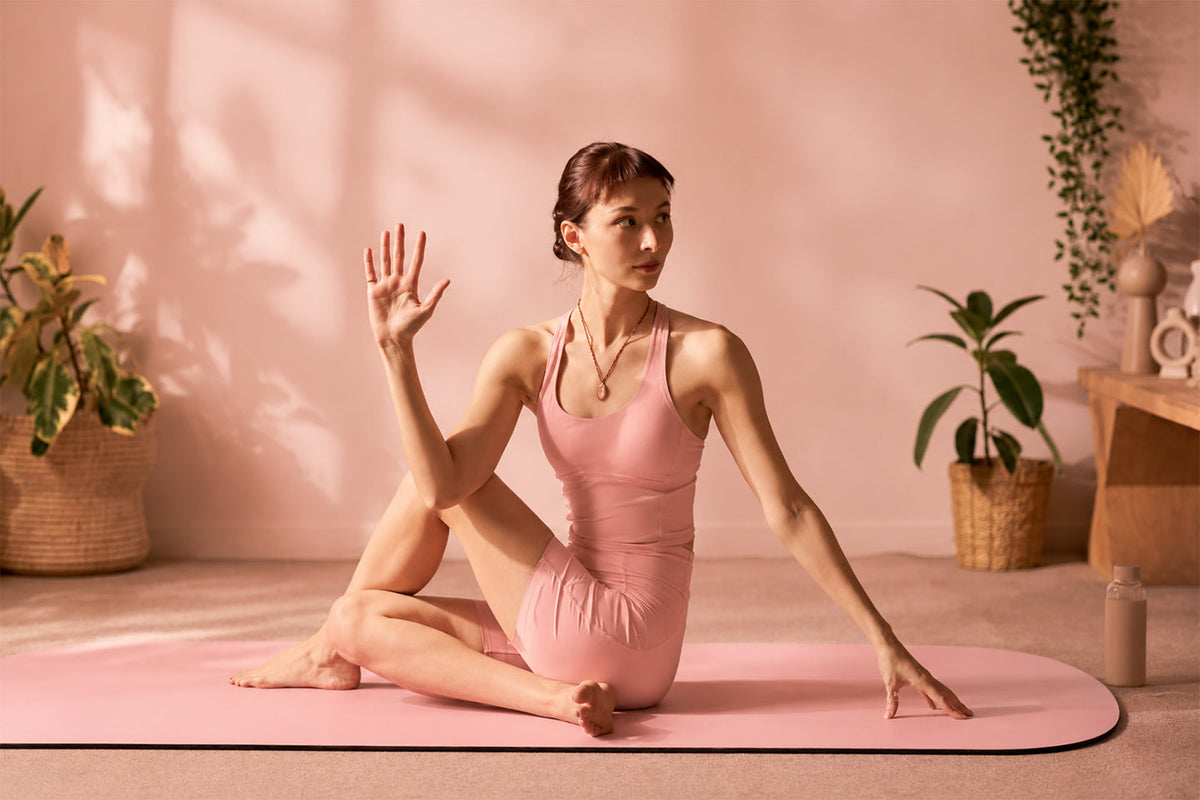
A recycled PU yoga mat offers an excellent blend of performance and sustainability, providing superior non-slip grip, dense joint support, and an eco-conscious alternative to traditional materials. Its natural rubber and recycled polyurethane composition ensures a stable, comfortable practice while minimizing environmental impact.
Why Choose a Recycled PU Yoga Mat for Sustainable Practice
Recycled PU yoga mats offer significant environmental advantages by utilizing reclaimed materials and avoiding virgin plastics, providing a responsible choice for your fitness routine. When you're looking for a plastic-free and healthy mat, understanding its composition is key.
These mats typically combine recycled polyurethane (PU) with natural rubber. Recycled PU diverts waste from landfills, giving new life to materials that would otherwise contribute to pollution. Natural rubber, sourced from rubber trees, is a renewable resource, biodegradable, and free from many of the harmful chemicals found in synthetic alternatives. This combination reduces your ecological footprint while providing a durable, high-performance surface for your practice.
By choosing a mat made from recycled PU and natural rubber, you're investing in a product that aligns with a sustainable lifestyle. It addresses common concerns about product safety, as reputable brands ensure their mats are free from toxic substances, avoiding the warnings often associated with conventional plastic-based mats.
Unmatched Grip and Stability: The Recycled PU Advantage
The surface of a recycled PU mat delivers exceptional non-slip grip, essential for maintaining stability in challenging poses and ensuring a safe, fluid practice. I've seen many practitioners struggle with slippery surfaces, but the texture of a high-quality recycled PU mat offers a truly secure foundation.
This material is engineered for both wet and dry conditions, making it ideal for everything from gentle Hatha to intense hot yoga sessions. The micro-textures on the PU surface create a strong friction bond with your hands and feet, preventing slips even as you build heat and sweat. This reliable grip allows you to deepen your poses with confidence, shifting your focus from stability concerns to refining your alignment and breath.
Superior Joint Support for Every Pose
High-density recycled PU mats provide robust cushioning that protects joints, absorbing impact effectively to enhance comfort during long holds and dynamic movements. For anyone experiencing discomfort in knees, wrists, or hips, this density makes a noticeable difference.
Unlike thinner or less dense mats that compress too easily, a recycled PU mat maintains its supportive structure under pressure. This superior joint support is crucial for both beginners learning foundational poses and advanced practitioners exploring complex inversions. It creates a safe buffer between your body and the hard floor, allowing you to sustain poses longer and transition more smoothly, promoting a healthier, more enjoyable practice.
Bottom Line
A high-quality recycled PU yoga mat combines excellent grip and significant joint cushioning, allowing for a safer and more comfortable practice across all yoga styles. It's a key upgrade for consistent stability.
Recycled PU vs. Traditional Mats: A Performance and Eco-Friendly Comparison
Recycled PU mats surpass traditional PVC and TPE options in both grip and environmental credentials, offering a more durable and non-toxic alternative for dedicated practitioners. When comparing materials, it's clear that not all yoga mats are created equal.
PVC mats, while durable and affordable, are made from petroleum-based plastic that is not biodegradable and can release harmful chemicals. TPE (Thermoplastic Elastomer) mats are a step up in eco-friendliness, being recyclable and generally non-toxic, but often lack the superior wet grip and density of PU and natural rubber.
The combination of recycled PU and natural rubber offers the best of both worlds: exceptional performance that holds up to rigorous use and an environmental profile that supports sustainable living. This means fewer replacements over time, reducing waste even further.
| Feature | Recycled PU & Natural Rubber Mat | PVC Mat (Traditional) | TPE Mat (Eco-Friendly Alternative) |
|---|---|---|---|
| Grip (Wet/Dry) | Excellent, reliable in all conditions | Good, can be slippery when wet | Good, but may lack PU's extreme grip |
| Joint Support | Superior (high-density cushioning) | Moderate (can compress over time) | Moderate to good |
| Durability | High, resistant to wear | High | Moderate |
| Eco-friendliness | Excellent (recycled, renewable, biodegradable) | Poor (non-biodegradable, petroleum-based) | Good (recyclable, non-toxic) |
| Health & Safety | Free from harmful substances | Can contain phthalates and other toxins | Generally non-toxic |
Beyond Materials: Thoughtful Design for Enhanced Alignment
Innovative design features, like a distinctive arch shape, further elevate the practice experience by guiding body alignment and promoting deeper connection to poses. While material quality is paramount, thoughtful design details make a significant difference in how you interact with your mat.
A mat designed with alignment in mind can help you maintain proper posture and symmetry throughout your practice. The Recycled PU Yoga/Pilates Mat - Stone Taupe, for example, features a distinctive arch shape that acts as a subtle guide for hand and foot placement. This isn't just aesthetic; it's a practical aid that supports a more balanced and effective practice, reducing the risk of strain from misalignment. Such attention to design ensures your mat doesn't just feel good, but actively helps improve your form, much like how specialized high grip mats prevent slips, this design prevents poor alignment.
Frequently Asked Questions
What are the environmental benefits of a recycled PU yoga mat?
Recycled PU yoga mats reduce landfill waste by using reclaimed polyurethane. Combined with natural rubber, they offer a renewable, biodegradable, and non-toxic alternative to conventional plastic mats, lessening environmental impact.
How does recycled PU mat grip compare to other materials?
Recycled PU mats are known for superior grip, especially in wet conditions. They generally outperform PVC and TPE mats in providing reliable, non-slip stability, crucial for all types of yoga and Pilates.
Is a recycled PU yoga mat suitable for hot yoga?
Yes, recycled PU mats are highly suitable for hot yoga. Their advanced non-slip surface maintains excellent grip even with heavy perspiration, ensuring stability and safety during intense, sweaty sessions.
Does the high-density material really help with joint pain?
Absolutely. The high-density composition of recycled PU mats provides significant cushioning and support, effectively absorbing impact and protecting sensitive joints like knees, wrists, and hips from hard surfaces, leading to a more comfortable practice.
What makes a yoga mat truly eco-friendly beyond just recycled materials?
Beyond recycled materials, an eco-friendly mat considers sourcing (renewable natural rubber), manufacturing processes (low-energy, non-toxic), and end-of-life biodegradability. It also means being free from harmful chemicals often found in cheaper mats, aligning with a holistic approach to wellness and the environment.
How should I clean and maintain my recycled PU mat?
Clean your recycled PU mat with a damp cloth and a mild, natural cleanser. Avoid harsh chemicals or abrasive brushes, and allow it to air dry completely before rolling. Proper maintenance extends the mat's lifespan and preserves its grip.
Shop Recycled PU Yoga/Pilates Mat - Stone Taupe Now