
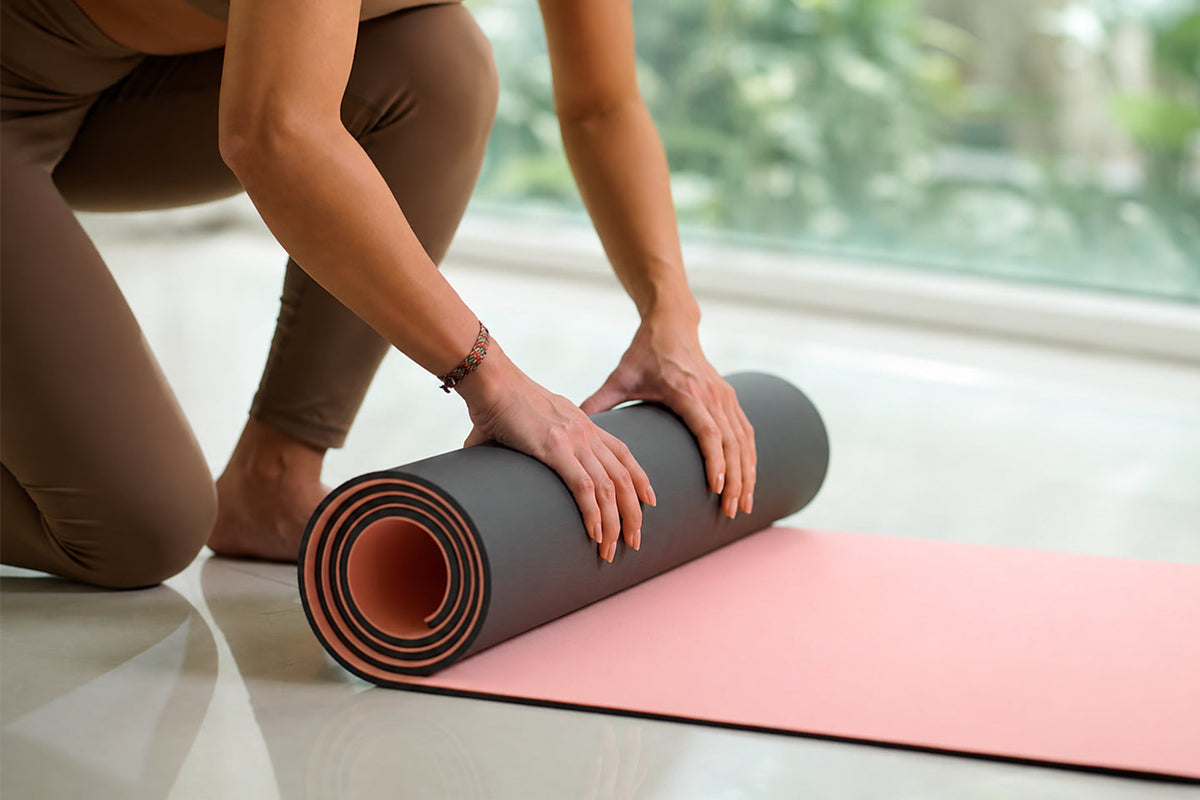
Choosing the right mat thickness is crucial for a comfortable and effective yoga or Pilates practice. The ideal choice balances joint cushioning and stability, with recycled PU yoga mats offering superior support through their high-density material, regardless of a few millimeters difference.
Understanding Mat Thickness: What's Right for Your Practice?
Mat thickness significantly influences your comfort, stability, and joint protection during both yoga and Pilates. What feels perfect for a restorative yoga session might be too soft for a dynamic Pilates workout. Generally, mats range from 2mm (travel) to 8mm+ (extra cushioning).
Thin Mats (2-3mm): For Stability and Advanced Practice
Thinner mats, typically 2-3mm, offer minimal cushioning but provide a direct connection to the floor. This can enhance stability for standing poses and balance work, making them popular among experienced yogis who prioritize a grounded feel. However, they offer less protection for knees, wrists, and hips, which can be challenging for those with sensitive joints or beginners.
Standard Mats (4-5mm): The Versatile Choice
Most practitioners find a 4-5mm mat to be a versatile sweet spot. This thickness provides a good balance of cushioning for joint comfort and enough firmness for stability in various poses. It's an excellent choice for general yoga practices, including Vinyasa, Hatha, and some gentle Pilates exercises. The moderate cushioning helps protect sensitive joints without compromising balance too much.
Thicker Mats (6mm+): Cushioning for Sensitive Joints and Pilates
When searching for the best mat thickness for sensitive joints in yoga, 6mm or thicker options are often recommended. These mats offer substantial cushioning, providing a softer landing for knees, hips, and spine during floor work or seated poses. For Pilates, a thicker recycled PU mat is often better, as many exercises involve lying down or putting pressure on the spine, where extra padding makes a significant difference. However, very thick mats (over 8mm) can sometimes make standing balance poses more challenging by creating an unstable surface.
Bottom Line
For general practice, 4-5mm offers a versatile balance. For sensitive joints or dedicated Pilates, a 6mm+ high-density mat provides crucial support without sacrificing stability too much.
Comparing Mat Thicknesses for Different Practices
Understanding the trade-offs between different mat thicknesses helps in making an informed decision. Here's a quick comparison:
| Thickness | Best For | Joint Support | Stability (Standing Poses) |
|---|---|---|---|
| 2-3mm | Travel, Hot Yoga, Advanced Yoga | Minimal | High |
| 4-5mm | General Yoga (Hatha, Vinyasa), Moderate Pilates | Good | Good |
| 6mm+ | Restorative Yoga, Pilates, Sensitive Joints | Excellent | Moderate (can feel less stable if too thick) |
Beyond Thickness: The Role of Material and Texture
While thickness is a major factor, the mat's material and surface texture are equally important, especially when choosing mat thickness for joint support Pilates or yoga. High-density materials, like those found in a quality recycled PU yoga mat, offer superior joint protection even at standard thicknesses. Unlike softer foams that compress easily, high-density options provide consistent, firm cushioning.
For example, the Recycled PU Yoga/Pilates Mat - Stone Taupe combines recycled PU with natural rubber. This blend ensures a mat that is not only eco-friendly and free from harmful substances (addressing concerns about plastic-free and healthy mats) but also provides exceptional high-density composition for superior joint support. The luxurious texture further ensures a non-slip experience, which is critical for preventing slips and injuries, complementing the mat's thickness for a secure practice. Its distinctive arch shape is also designed for ultimate comfort and alignment, making it a mindful masterpiece for serious practitioners.
A mat's non-slip properties are paramount. Even a thick mat can be dangerous if it slides around during practice. Look for textures that offer excellent grip, whether wet or dry. This ensures that your hands and feet stay firmly planted, allowing you to focus on your form and breath without worrying about slipping. For more tips on grip and safety, you might find this guide helpful: How to Prevent Slips and Injuries with a High Grip Pink Pilates Mat.
Personalizing Your Mat Choice: Key Factors
Your ideal mat thickness isn't just about the type of practice; it's deeply personal. Here are a few factors to consider:
- Body Type & Weight: Heavier individuals may prefer thicker mats (6mm+) for more significant cushioning and support, preventing the mat from compressing too much.
- Joint Sensitivity: If you have sensitive knees, wrists, or a history of joint pain, prioritize thicker mats (6mm and above) with high-density materials to provide ample padding.
- Practice Intensity & Style: Dynamic practices like Vinyasa or Ashtanga often benefit from 4-5mm mats for better stability. Restorative yoga, Yin, or Pilates, with more floor work, might call for 6mm+ for comfort.
- Portability Needs: If you travel or commute to studios often, a 4mm mat is generally easier to roll and carry than a thick 6mm+ option.
- Floor Surface: Practicing on hard surfaces like concrete or hardwood floors might necessitate a thicker mat for extra cushioning, while carpeted areas might allow for a slightly thinner mat.
One common mistake when buying a mat is underestimating the importance of a mat's density and grip. A soft, squishy mat, even if thick, won't provide the stable support your joints need. Always prioritize high-density materials like recycled PU over simply thick, low-density foams.
For those also considering other fitness equipment, understanding material differences is key. You can explore how materials impact performance and comfort in other areas, such as How Soft Leather Kettlebells Solve Apartment Workout Noise and Floor Worries.
Shop Recycled PU Yoga/Pilates Mat - Stone Taupe NowFrequently Asked Questions
How do I choose the best Recycled PU Yoga/Pilates Mat - Stone Taupe?
Choosing the best Recycled PU Yoga/Pilates Mat - Stone Taupe involves considering its high-density composition for joint support, its non-slip natural rubber surface for grip, and its eco-friendly materials (recycled PU and natural rubber) for a healthy, plastic-free practice. Its thickness will also play a role depending on your sensitivity and practice style.
What should I look for when buying a recycled PU yoga mat?
When buying a recycled PU yoga mat, prioritize high-density construction for superior joint support and longevity. Look for non-slip properties (like those offered by natural rubber blends), eco-friendly certifications if available, and a thickness that matches your practice type and joint needs (e.g., 4-5mm for versatility, 6mm+ for extra cushioning).
Is a thicker recycled PU mat better for Pilates?
Yes, a thicker recycled PU mat is often better for Pilates. Many Pilates exercises involve extensive floor work and movements that put direct pressure on the spine, hips, and knees. The extra cushioning of a 6mm or thicker mat provides crucial comfort and support, enhancing your practice without compromising the necessary stability, thanks to high-density materials.
What's the difference between 4mm and 6mm yoga mat thickness?
A 4mm yoga mat offers a good balance of cushioning and direct floor connection, suitable for various yoga styles and general use. A 6mm mat provides significantly more cushioning, making it ideal for those with sensitive joints, beginners, or practices like restorative yoga and Pilates that involve more floor contact. The 6mm mat will feel softer and more protective, while the 4mm offers a firmer, more grounded experience.
Are recycled PU yoga mats truly plastic-free and healthy?
Many high-quality recycled PU yoga mats, like the bereform option, are made from a blend of recycled PU and natural rubber. While PU is a type of plastic, the