
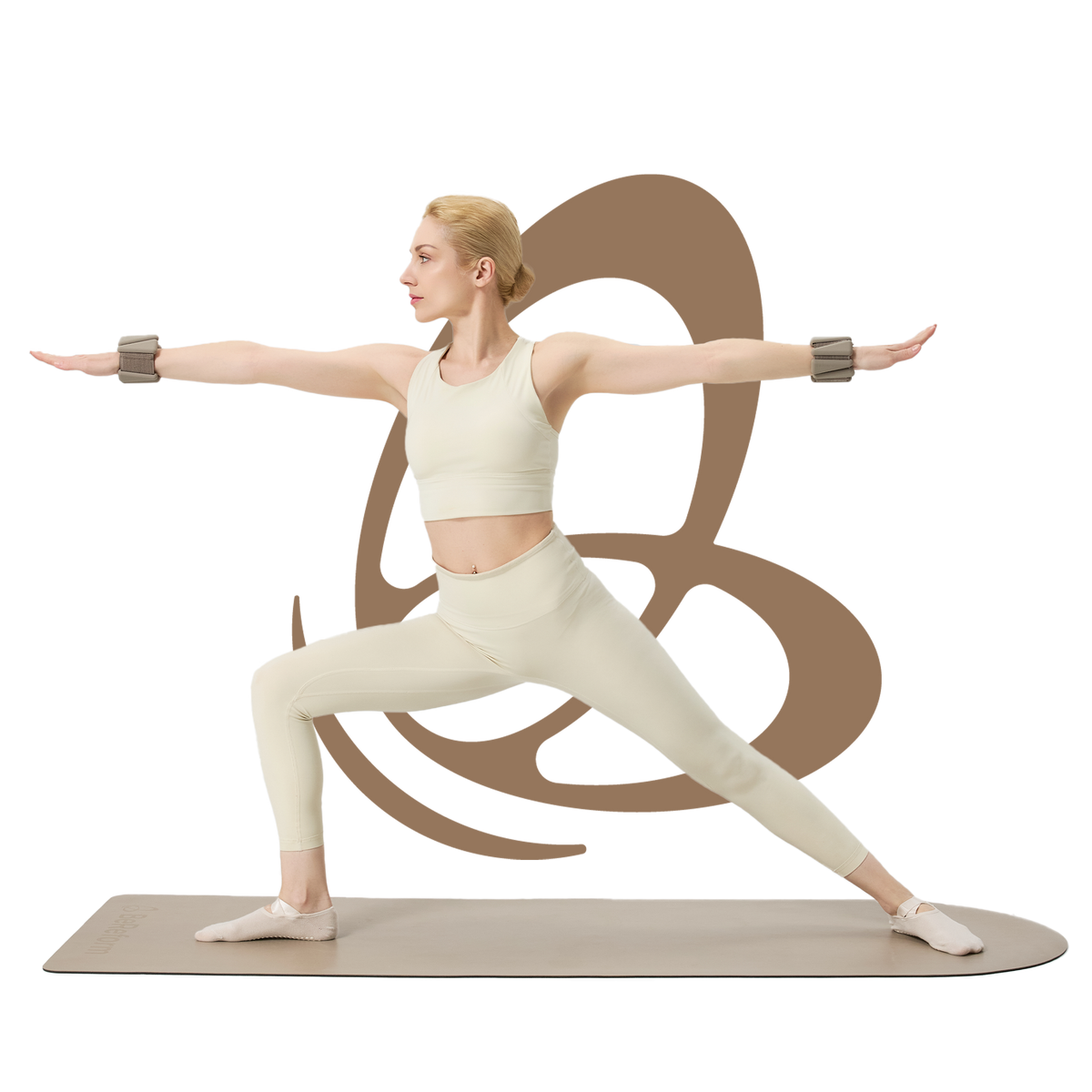
The best home Pilates routine is not the one that requires a perfectly empty room, a 60-minute window, and endless motivation. It is the one you can return to on a busy Tuesday, before the school pickup, after a long day at your desk, or whenever your body needs a reset. Home Pilates makes that kind of consistency possible by bringing focused, low-impact movement closer to where life already happens.
For many people, the appeal starts with convenience. No commute, no waitlist, no pressure to make a class time work. But the deeper value is creating a routine that supports strength, mobility, posture, and a calmer relationship with exercise. When your setup feels welcoming and easy to use, movement becomes less of an appointment and more of a dependable part of your day.
Why Home Pilates Works for Busy Schedules
Pilates asks for attention, not chaos. The practice is built around controlled movement, breath, alignment, and steady resistance, which can make it especially appealing when high-impact workouts feel hard to sustain. A well-planned session can leave you feeling worked without leaving you depleted.
At home, that flexibility matters. You may have 15 minutes for core and mobility one morning, then 35 minutes for a more complete reformer session later in the week. Both count. The goal is not to recreate every detail of a studio schedule. It is to create enough structure that you keep showing up.
There is also a financial consideration. Studio classes can be a wonderful source of instruction and community, but recurring memberships may not fit every budget or calendar long term. Home equipment can shift more of that investment toward your own space and give you more opportunities to use it. Whether that makes sense depends on how often you expect to train and how much you value the convenience of having equipment ready when you are.
Start With the Space You Actually Have
A home workout area does not need to look like a commercial gym. In fact, the most successful setup is usually the one that respects the way you live. A corner of a bedroom, a section of a living room, a guest room, or a quiet spot near a window can work well when it is comfortable and easy to access.
Before choosing equipment, measure the open floor space you can use during a workout, not just the footprint available for storage. Leave enough clearance to move around the machine comfortably and to get on and off it without squeezing past furniture. Also consider flooring, natural light, nearby outlets if you use a screen for classes, and whether you need a setup that can be put away between sessions.
For apartment dwellers and shared homes, quiet operation can be just as valuable as compact storage. Smooth carriage movement, stable construction, and a mat beneath equipment can help keep your practice more considerate of the people around you. If your exercise space doubles as a family room, a foldable reformer may offer a practical balance: a fuller Pilates experience when open, and more room for everyday life when closed.
Make the setup feel inviting
You are more likely to use a space that feels ready. Keep your mat, grip socks, water bottle, and a small towel nearby. If you use a reformer, avoid turning it into a place where laundry or bags collect. This does not require a picture-perfect wellness room. It simply means reducing the tiny obstacles that make it easier to postpone a session.
Choose Equipment Based on Your Routine
A mat is a smart place to begin if you are new to Pilates, want a low-cost entry point, or need something that stores in a closet. Mat sessions can build body awareness, core strength, balance, and mobility with very little equipment. Small accessories such as a Pilates ring, light kettlebell, or resistance-focused training kit can add variety as your confidence grows.
A reformer brings another dimension to home Pilates. The moving carriage and adjustable resistance can support a wide range of exercises, from gentle mobility work to more challenging strength sessions. The feedback from springs and straps can also help many people better understand control and alignment, especially when following clear, beginner-friendly instruction.
That does not mean a reformer is automatically the right choice for everyone. If you move often, have very limited floor space, or are still deciding whether Pilates fits your routine, a mat-based practice may be the better first step. If you already enjoy studio reformer classes, want more exercise variety, or plan to make Pilates a regular part of your week, a home reformer may be a more satisfying long-term investment.
When comparing models, focus on the details that affect daily use. Look at weight capacity, carriage smoothness, spring options, adjustable components, folding method, storage dimensions, and how easily the equipment can be moved. A beautiful reformer is a bonus, but the right one should also feel stable, intuitive, and suited to the people who will use it.
Bereform designs foldable reformers and studio-inspired apparatus with this real-life balance in mind, helping home users prioritize both performance and a room that still feels like home.
Build a Weekly Rhythm You Can Keep
Consistency grows from realistic expectations. Starting with two or three sessions per week is often more sustainable than trying to exercise every day from the start. You can alternate a full-body session with a shorter mobility-focused practice, then add another day once the routine begins to feel natural.
Try connecting Pilates to an existing cue in your schedule. A 20-minute session after your morning coffee, a lunchtime reset between meetings, or a quiet evening practice after the house settles can give the habit a reliable place to land. The time itself matters less than choosing a pattern you can repeat.
It also helps to let your energy guide the type of session. On a day when you feel strong, choose resistance work that challenges your legs, arms, and core. On a stiff or stressful day, focus on breath, spinal mobility, hip movement, and gentle control. Pilates is not all-or-nothing. A slower session can still be exactly what your body needs.
A simple progression approach
For the first few weeks, repeat familiar exercises instead of chasing constant variety. Repetition helps you notice small improvements in stability, range of motion, and control. Once movements feel more comfortable, increase resistance gradually, add complexity, or extend the session by a few minutes.
If you are returning after an injury, managing pain, pregnant, postpartum, or living with a medical condition, get guidance from a qualified healthcare professional or Pilates instructor before changing your routine. At-home training offers freedom, but thoughtful modifications still matter.
Let Good Form Set the Pace
One reason Pilates can feel so different from a fast workout is that quality matters more than rushing through repetitions. Move slowly enough to notice whether your shoulders are climbing toward your ears, whether your ribs are flaring, or whether you are gripping through your hips and neck. These small adjustments often make the work feel more effective and more comfortable.
Use beginner-level classes or clear instruction when learning new movements, particularly on a reformer. Set springs and resistance conservatively until you understand the exercise. More resistance is not always better: in some movements, it can make control harder or encourage compensation. The right setting is the one that lets you move with steadiness and intention.
A mirror can be helpful, but it is not required. Paying attention to how a movement feels is often more useful than trying to make every position look perfect. Think of Pilates as a practice of learning your body, not passing a test.
Make Your Equipment Easy to Live With
A home Pilates purchase should fit your home after the workout is over. If you need to fold and store a reformer regularly, test your plan mentally before it arrives: where will it go, who will move it, and how much effort will setup take on an ordinary day? Hydraulic folding assistance or a straightforward manual folding design can make a meaningful difference when you plan to use the equipment often.
Durability matters, too. A home reformer should feel dependable through repeated use, not like a temporary fitness trend. Consider the materials, frame construction, warranty coverage, and the availability of clear setup and care information. For households with multiple users, adjustability becomes even more valuable because one machine may need to support different heights, experience levels, and goals.
Keep maintenance simple. Wipe down surfaces after use, check straps and hardware periodically, and follow the manufacturer’s guidance for cleaning and storage. A few minutes of care protects the experience you invested in and helps each session start smoothly.
Give Yourself Permission to Practice Imperfectly
Some weeks will be full of long sessions. Other weeks may only hold a few stretches beside your reformer or a 10-minute mat routine before bed. That is not a failure of the plan. It is what a flexible wellness routine looks like in real life.
Set up your space with enough ease that you can choose movement more often than you skip it. Over time, those ordinary sessions can become a quiet part of your day: a place to build strength, move with more comfort, and come back to yourself without leaving home.