
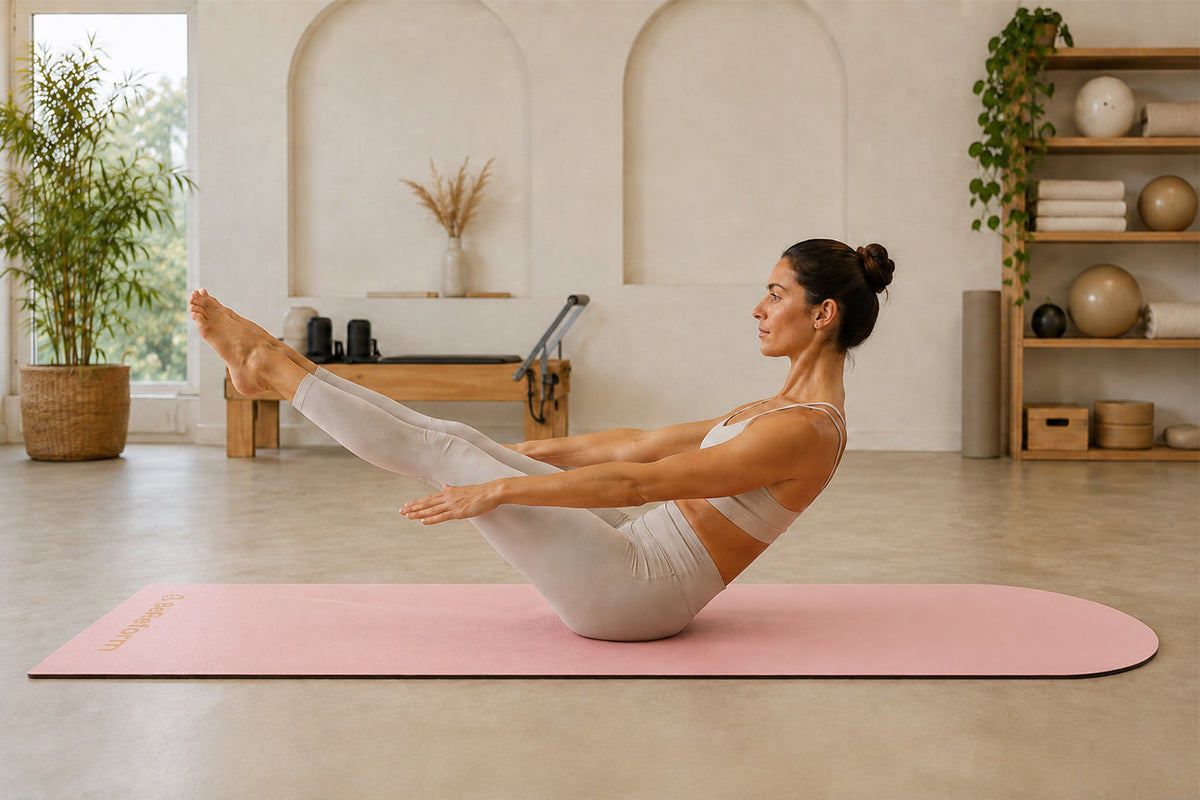
How does a high-grip PU mat prevent slipping during challenging Pilates exercises?
A high-grip PU mat prevents slipping by providing an exceptionally stable, non-stick surface, even as you sweat during demanding Pilates routines. Polyurethane (PU) material is naturally porous and moisture-wicking, designed to maintain traction. When combined with a precise textured finish, like on the Recycled PU Yoga/Pilates Mat - Pink, it creates microscopic pockets that grip both your hands and feet securely, along with the floor. This advanced non-slip property is crucial for maintaining proper form and control in exercises like the Teaser, Plank variations, or Roll-Up, where stability is paramount. A secure foundation allows you to focus on muscle engagement and alignment, rather than worrying about losing your footing.Key Features for Non-Slip Performance
Beyond just the material, a high-grip mat often incorporates a unique surface texture that enhances its anti-slip capabilities. These textures aren't just for aesthetics; they are engineered to maximize friction and prevent any unwanted movement. During dynamic transitions or sustained holds, this integrated grip ensures your body stays precisely where you place it. This stability is a game-changer for building confidence and safely pushing your limits in Pilates, knowing your mat will support every movement.Bottom Line: A high-grip PU mat uses advanced material properties and textured surfaces to create a stable, non-slip foundation, critical for safely executing challenging Pilates exercises without losing control.
What specific features of a PU mat contribute to superior joint protection and injury prevention?
A high-density PU mat provides superior joint protection and helps prevent injuries through its shock-absorbing core and consistent support. Unlike thinner or less dense mats that offer minimal cushioning, a quality PU mat features a robust composition that disperses pressure evenly across the surface. This high density buffers impact on wrists, knees, hips, and the spine, making floor-based exercises more comfortable and safer. For anyone with sensitive joints or those performing exercises that involve direct contact with the floor, this padding is essential for minimizing strain and preventing discomfort or long-term injury.Mat Composition and Alignment
The high-density composition of mats like the Recycled PU Yoga/Pilates Mat - Pink, which blends recycled PU with natural rubber, offers an ideal balance between firmness and cushioning. This firm yet yielding surface supports correct anatomical alignment, reducing the risk of overextension or improper positioning that can lead to injury. When you feel stable and supported, you can engage core muscles more effectively, deepen stretches, and improve overall body awareness, which are all fundamental to injury prevention in Pilates. This dependable base also boosts confidence, encouraging a more fluid and focused practice.| Mat Material | Grip Level | Joint Support | Durability |
|---|---|---|---|
| Recycled PU & Natural Rubber | Excellent (wet & dry) | Superior (high density) | High |
| TPE (Thermal Plastic Elastomer) | Good (can slip when wet) | Moderate (medium density) | Medium |
| PVC (Polyvinyl Chloride) | Variable (can be slick) | Basic (low to medium density) | Low to Medium |
Bottom Line: A high-density PU mat's shock-absorbing core and firm support protect joints and promote proper alignment, significantly lowering the risk of injury during Pilates practice.
Is a recycled PU mat durable enough to maintain its grip and support over time with regular Pilates use?
Yes, a recycled PU mat, especially when combined with natural rubber, is exceptionally durable and designed to maintain its high grip and supportive properties through years of regular Pilates use. The blend of recycled polyurethane and natural rubber creates a resilient material that resists wear and tear, unlike cheaper alternatives that can quickly degrade, losing their texture and cushioning. This robust construction ensures that the mat's non-slip surface remains effective, and its high-density core continues to provide consistent joint protection session after session.Eco-Friendly Performance Without Compromise
Choosing a mat made from recycled PU and natural rubber doesn't mean compromising on performance or safety. In fact, these sustainable materials often outperform traditional synthetic options. Natural rubber contributes excellent grip and elasticity, while recycled PU enhances durability and moisture management. The Recycled PU Yoga/Pilates Mat - Pink embodies this commitment, offering a sustainable choice without sacrificing the essential qualities needed for a safe and effective Pilates practice. For more on eco-friendly options, explore Everything You Need to Know About Eco-Friendly Cork Yoga Mats.Bottom Line: Recycled PU mats, especially those blended with natural rubber, offer excellent durability, consistently maintaining their superior grip and support for long-term, safe Pilates practice.
How does the density of a Pilates mat impact safety and comfort during practice?
The density of a Pilates mat profoundly impacts both safety and comfort by dictating how much cushioning and stability it provides. A high-density mat offers a firm yet comfortable surface that prevents you from sinking too deeply, which could destabilize your movements. This optimal firmness ensures your body is properly supported, particularly during exercises that involve balancing or placing pressure on specific points like the spine or hips. Too soft a mat can make it difficult to find stable grounding, while too thin a mat offers insufficient protection against hard floors.Finding the Right Balance for Your Practice
For Pilates, where precise movements and core engagement are key, a mat with adequate density is crucial. It protects your joints from impact while still allowing you to feel the floor and maintain a strong connection to your center. This balance improves your alignment, reduces the likelihood of strain, and enhances your overall comfort, allowing for longer, more focused sessions. The high-density composition of the Recycled PU Yoga/Pilates Mat - Pink is specifically designed to meet these needs, ensuring a supportive and comfortable experience that elevates your practice.Bottom Line: Mat density is vital for safety and comfort in Pilates, providing the right balance of cushioning and stability to support joints, maintain alignment, and enhance overall practice.
Shop Recycled PU Yoga/Pilates Mat - Pink NowFrequently Asked Questions
What makes a Pilates mat 'high grip'?
A high-grip Pilates mat typically features materials like polyurethane (PU) or natural rubber with a specially engineered textured surface. These materials are designed to resist slipping even when moist, providing exceptional traction for your hands and feet during intense or sweaty workouts. The texture creates micro-channels that enhance friction and prevent movement.
Can a mat's color, like pink, affect its performance or grip?
No, a mat's color, such as pink, does not affect its performance or grip. The non-slip properties, density, and durability of a Pilates mat are determined by its material composition and manufacturing processes, not by its dye. The Recycled PU Yoga/Pilates Mat - Pink offers excellent grip and support regardless of its appealing hue.
How often should I replace my Pilates mat to ensure safety?
The lifespan of a Pilates mat depends on its material quality, frequency of use, and care. High-quality recycled PU and natural rubber mats can last for several years with proper maintenance. You should consider replacing your mat if you notice significant wear, loss of grip, visible tears, or if the cushioning feels less supportive, as these can compromise your safety.
Is a thicker mat always better for joint protection?
Not necessarily. While a thicker mat can offer more cushioning, what truly matters for joint protection is the mat's density and overall material quality. A high-density mat, even if not excessively thick, provides superior shock absorption and support by distributing pressure evenly. Overly thick or soft mats can sometimes reduce stability, which is counterproductive in Pilates.