
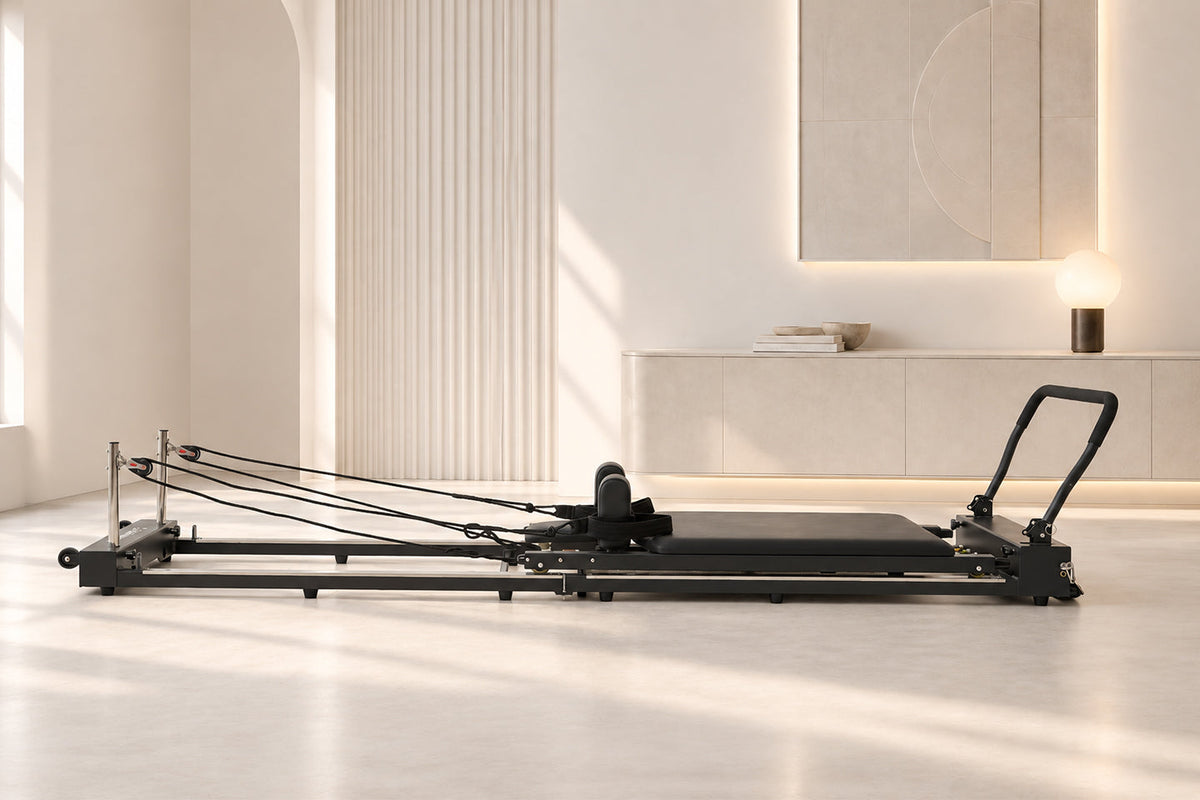
A home reformer can change the way your week feels. Instead of fitting a class around traffic, childcare, or a packed calendar, you can step onto the carriage when you have 20 minutes between meetings or a quiet hour before the house wakes up. Reformer payment plans can make that shift feel more manageable by spreading the cost of a long-term wellness purchase into predictable installments.
The right plan is not simply the one with the lowest monthly number. It should support your budget while leaving you confident in the reformer you bring home—from its folding design and storage footprint to the way it will hold up to your routine. Here is how to think through the purchase with clarity.
Why Reformer Payment Plans Make Sense for Home Fitness
A reformer is different from a small accessory you replace every season. It is a piece of equipment designed to become part of your home and your habits. For many people, the upfront price is the biggest hurdle, even when they know that at-home Pilates could reduce the need for frequent studio visits over time.
Monthly or installment payments create a gentler entry point. Rather than postponing a routine you want to build, you can choose a payment schedule that works alongside other household priorities. This can be especially useful for apartment dwellers who want a foldable reformer that stores neatly after use, parents who need flexible workout windows, and former studio members who miss the consistency of carriage-based movement.
There is also a practical emotional benefit: a considered purchase can be easier to enjoy when it does not create a sudden strain on the month’s budget. The goal is not to stretch your finances for fitness equipment. It is to make a durable, useful investment feel realistic.
BeReform currently accepts several payment methods, including Klarna and Afterpay where available. Eligibility, payment schedules, interest, fees, and approval are determined by the payment provider and the terms shown at checkout, so always review the final offer before completing the purchase.
Start With the Reformer, Not the Payment Amount
It is tempting to shop by monthly payment first. A lower installment can look appealing, but it does not tell you whether the reformer fits your space, experience level, or preferred style of movement. Start by identifying the features that will make you use the equipment regularly.
For a first-time buyer, an approachable folding model with straightforward setup, smooth carriage movement, and comfortable support may be the best match. If you already take studio classes, you may care more about adjustability, a more advanced configuration, or a frame that feels especially stable during frequent training. Households with multiple users often benefit from versatile settings that can accommodate different heights, strength levels, and routines.
BeReform offers several models at different levels. The CORE Steel Foldable Reformer is positioned as a more accessible first reformer for beginners and compact spaces. The FLOW Wooden Foldable Reformer is designed for regular home users who want a more substantial wooden frame, while the PRIME Adjustable Reformer offers hydraulic-assisted folding and greater adjustability for experienced users.
Measure before you buy. Consider the reformer’s open dimensions, folded dimensions, and the clear floor area you need to move safely around it. A beautiful home setup only works if it does not make your living room feel permanently crowded. Folding equipment can be a meaningful advantage when your workout space also serves as an office, bedroom, or family room.
Once you have chosen a model that suits your actual life, the payment plan becomes a budgeting tool instead of a reason to compromise on the equipment itself.
What to Review Before Choosing a Plan
Payment options vary by provider and may depend on the total purchase price, location, eligibility, and checkout terms. Read the details before placing your order, even if the monthly figure feels comfortably small. A few minutes of review can prevent surprises later.
First, look at the total amount you will pay, not just the installment. Some plans may offer interest-free promotional terms, while others may include interest, financing charges, or fees in certain circumstances. Understanding the full cost helps you compare a payment plan with paying upfront or saving for a few additional months.
Next, check the payment schedule. Know how many payments you will make, when the first payment is due, and whether future payments are charged automatically. A shorter plan may mean a higher installment but less time carrying the expense. A longer plan can lower the regular commitment, although it may cost more overall depending on the terms.
Review what happens if a payment is late or declined. Payment providers may have different policies for missed payments, rescheduling, account restrictions, or fees. Do not assume that every “pay over time” option works in the same way.
Also consider whether the provider performs an eligibility or credit check and how the plan may affect your credit profile. The answer can vary by provider, product, location, and plan type. Use the disclosures shown during checkout as the final source of information.
Finally, be honest about your monthly margin. A payment should leave room for the parts of life that are less predictable: car repairs, school expenses, travel, or simply a month when the grocery bill runs higher than expected. Wellness should bring more ease, not another source of pressure.
Understand Returns, Refunds, and Warranty Coverage
Returns and financing are connected, but they may be handled by different companies. The retailer reviews the product return, while the payment provider manages the installment account. Returning a reformer does not necessarily mean that pending payments will disappear immediately.
Before ordering, review the BeReform payment policy and return and warranty terms. The current policy provides a 30-day return period for eligible products and a three-year limited warranty for eligible products used under normal residential conditions.
Return conditions still matter. The reformer may need to be unused or in like-new condition, returned in its original packaging, and accompanied by all accessories, parts, and manuals. Return shipping costs may apply to non-defective returns, so keep the packaging until you are confident the equipment works for your home.
Approved refunds are sent to the original payment method. If you used Klarna, Afterpay, or another financing service, the provider may need additional time to update the payment schedule or return funds already collected. Continue following the provider’s payment instructions until the return and refund are officially confirmed.
Warranty coverage is separate from a return. A warranty may cover eligible manufacturing defects but generally does not cover normal wear, improper assembly, unsuitable storage, misuse, or unauthorized modifications. Understanding that distinction helps you evaluate the real protection behind the purchase.
Compare the Cost With Your Current Routine
A home reformer does not need to replace every studio class to have value. Some people enjoy using it as their main Pilates setup, while others keep an occasional studio session for instruction, community, or a favorite instructor. The best choice depends on how you like to move.
Still, it can help to compare the purchase with what you already spend. Add up a typical month of classes, membership fees, commute costs, parking, late-cancellation fees, and the small extras that come with leaving home to work out. Then consider how often you would realistically use a reformer at home.
If you tend to skip classes because your schedule changes quickly, at-home access may be more valuable than a simple cost-per-session calculation suggests. You are paying for availability: the ability to do mobility work after a long day, fit in a low-impact strength session between other responsibilities, or take a quiet reset without booking ahead.
Do not count avoided class costs unless you genuinely expect to reduce those expenses. If you plan to keep the same studio membership while adding a reformer, treat the equipment as an additional wellness expense rather than assuming it will automatically save money.
A reformer is also not a shortcut to instant consistency. The strongest value comes from choosing equipment you can access easily and creating a routine that feels small enough to maintain. Three 20-minute sessions each week can be more meaningful than an ambitious plan that never gets started.
Make the Monthly Payment Work Harder
Once your reformer arrives, give it a place in your home routine rather than treating it like a special-occasion purchase. Keep the setup area clear, store small accessories nearby, and decide when you are most likely to use it. Morning movement may work for one household; an after-work reset may be more realistic for another.
You do not need an elaborate program on day one. Begin with familiar movements from previous classes or short beginner-friendly sessions that help you learn the carriage, springs, straps, and footbar. As your confidence grows, you can build variety through Pilates, mobility, core work, and low-impact strength training.
It also helps to think beyond one person. If a partner or family member will use the reformer, establish simple setup and safety expectations. Shared use can increase the practical value of the investment, provided the model offers the adjustment range, weight capacity, and support each person needs.
At BeReform, the purpose of a foldable home reformer is not to make your space feel like a commercial gym. It is to make movement easier to return to—and then fold away when the rest of life needs the room.
A Purchase Decision You Can Feel Good About
The best reformer payment plan is one that matches a reformer you genuinely want to use, a regular payment you can comfortably manage, and terms you fully understand. There is no prize for choosing the fastest payoff period or the most feature-packed model if either one creates stress.
Choose for your space, your budget, and the kind of routine you can picture on an ordinary Tuesday. When your equipment is easy to set up, pleasant to use, and realistically paid for, Pilates at home has a much better chance of becoming the steady part of your week you were looking for.
Frequently Asked Questions
Does BeReform offer payment plans?
BeReform currently accepts Klarna and Afterpay where available. The payment options shown to you can depend on your location, order amount, eligibility, and the provider’s current terms. Review the available choices and complete payment schedule during checkout before placing the order.
Are Klarna and Afterpay always interest-free?
Not necessarily. Some short installment options may be advertised as interest-free, but other plans can include interest or different financing terms. Late-payment policies may also apply. The offer displayed by Klarna or Afterpay at checkout is the final source for the payment amount, schedule, interest, and applicable fees.
Will applying for a reformer payment plan affect my credit?
It depends on the provider, location, and type of financing plan. Some options may use an eligibility check, while longer-term financing may follow different credit-review rules. Read the provider’s disclosure before submitting an application if credit impact is a concern.
What happens to my payment plan if I return the reformer?
Once BeReform receives and approves an eligible return, the refund is issued to the original payment method. Klarna or Afterpay then updates the financing account according to its own process. Continue making scheduled payments until the provider confirms that the plan has been adjusted, paused, or refunded.
Which BeReform model is the most budget-friendly starting point?
The CORE Steel Foldable Reformer is positioned as BeReform’s more accessible option for beginners, budget-conscious buyers, and smaller spaces. FLOW may suit buyers who want a full-size wooden reformer for regular home use, while PRIME is intended for users who value hydraulic-assisted folding and greater adjustability. Choose the model first, then decide whether its available payment terms fit your budget.